Complete guide to the Terrace Houses (Hanghäuser) in Ephesus: mosaics, frescoes, heating systems, and practical visit tips. Book your add-on ticket online.
The Terrace Houses (Hanghäuser) are among the best-preserved Roman domestic architecture in the Mediterranean. Built into the hillside opposite the Library of Celsus, these elite residences feature intricate mosaics, frescoes, and even underfloor heating. This guide covers what to see and how to book your Ephesus tickets—including the Terrace Houses add-on.
What Are the Terrace Houses?
The Terrace Houses are six Roman villas built on terraces along Curetes Street. They belonged to wealthy Ephesians and date from the 1st century BC to the 7th century AD. Excavations and restoration have revealed stunning interiors that bring ancient domestic life to life. The name Hanghäuser (German for "slope houses") reflects their position on the hillside—each villa was built on a terrace, creating a stepped effect along the street.
Key Features to Look For
- Mosaics: Geometric and figurative floor mosaics in dining rooms and courtyards. Look for the Medusa head and geometric patterns.
- Frescoes: Wall paintings depicting myths, gods, and daily life. The Socrates fresco in House 2 is famous.
- Hypocaust: Underfloor heating system—Roman central heating. Hot air circulated under the floors.
- Peristyle courtyards: Columned gardens and open spaces. The heart of Roman domestic architecture.
- Private baths: Some houses had their own bath complexes—a sign of elite status.
What to See: House by House
House 1: Notable for its well-preserved mosaics and a room with frescoes of the Muses. The dining room (triclinium) has a fine geometric mosaic.
House 2: Features the famous "Socrates" fresco and a large peristyle. One of the most photographed interiors.
House 6: The largest and most elaborate, with a private bath and rich decoration. Shows the full extent of Roman luxury.
Allow 45–60 minutes to explore fully. The houses are connected by a covered walkway—comfortable in summer. Information panels explain each room.
History and Excavation
The Terrace Houses were buried for centuries after earthquakes and abandonment. Austrian archaeologists began systematic excavation in the 1960s. Restoration continues today—some rooms have been reassembled from thousands of fragments. The result is a rare glimpse into how the wealthiest Ephesians lived.
Visit Tips
- Separate ticket: Terrace Houses require an add-on. Check your ticket options when booking online.
- Best time: Visit early or late to avoid crowds—the space is enclosed and can feel busy.
- Photography: Flash is not allowed. Natural light is sufficient for most shots.
- Accessibility: Some areas have steps. The terrain is uneven.
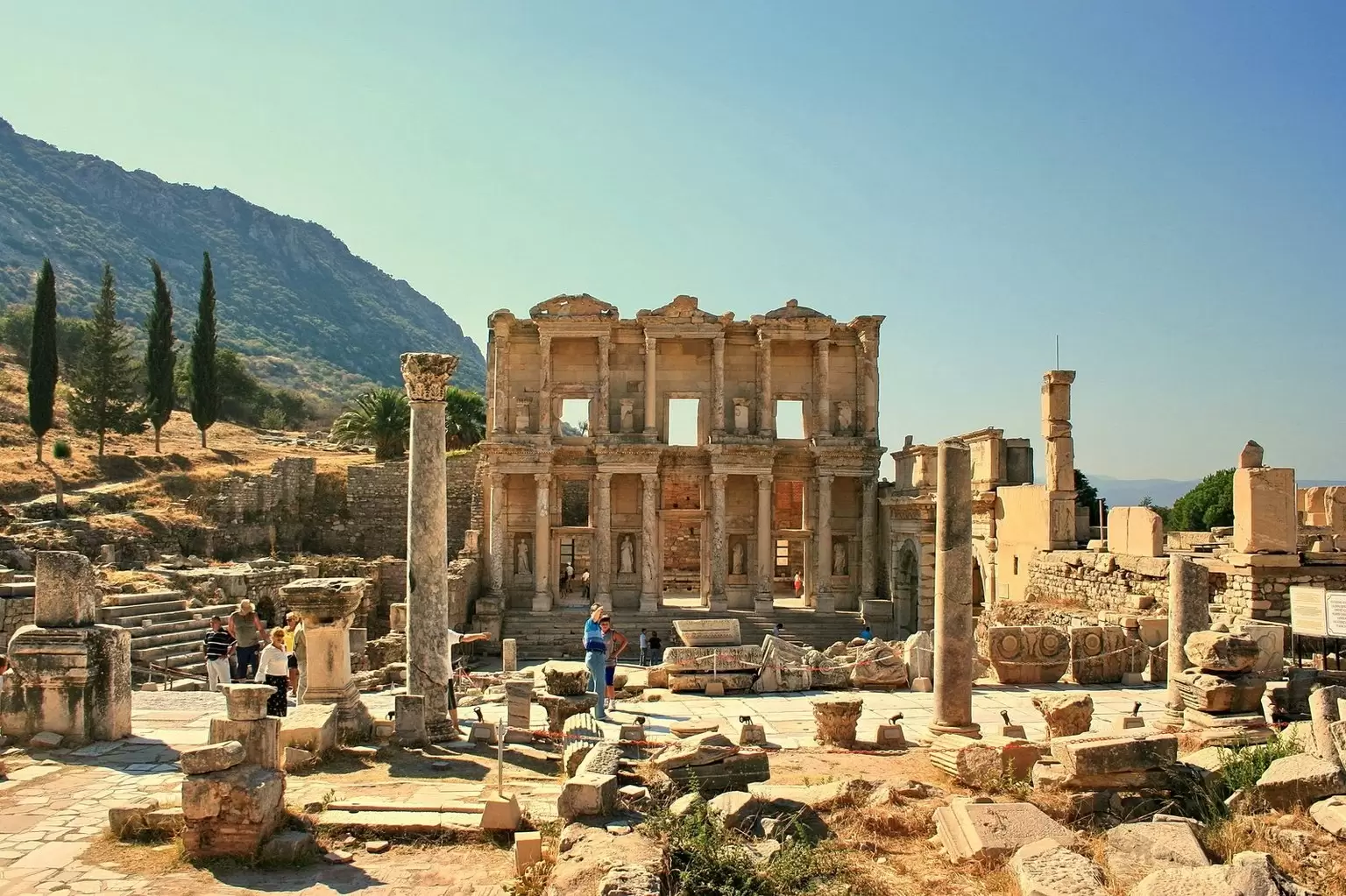
- Combine with main site: Visit the Terrace Houses after the Library of Celsus—they are opposite each other on Curetes Street.
View Ephesus & Terrace Houses Tickets →
Frequently Asked Questions
Is the Terrace Houses ticket included in the standard Ephesus entrance?
No. Terrace Houses require a separate or add-on ticket. The combined ticket is often the best value.
How long does a Terrace Houses visit take?
Most visitors spend 45–60 minutes. Combine with the main site for a full 4–5 hour experience.
Are the Terrace Houses suitable for children?
Yes, but supervise closely. The mosaics and frescoes are fragile. Children often enjoy the colourful designs and the sense of exploring ancient homes.
Ready to Explore?
Book your Ephesus tickets with the Terrace Houses add-on and discover one of the ancient world's best-preserved residential quarters.