Discover the Basilica of St. John in Ephesus: history, Byzantine architecture, and practical visit tips. Book your Ephesus tickets online for a seamless experience.
The Basilica of St. John (Ayasuluk Basilica) in Selçuk is one of the most significant Byzantine structures in Turkey. Built over the traditional tomb of the Apostle John, it attracts visitors interested in early Christianity and Byzantine architecture. This guide covers its history, architecture, and practical visit tips—plus why combining your visit with Ephesus tickets makes sense.
History of the Basilica of St. John
According to tradition, the Apostle John lived in Ephesus in his later years and was buried on Ayasuluk Hill. A small chapel marked the site from the 4th century. Emperor Justinian I ordered the construction of a grand basilica in the 6th century (AD 527–565), transforming it into one of the largest churches of the Byzantine Empire.
From Church to Ruins
The basilica served as a major pilgrimage site until the 14th century. Pilgrims from across the Christian world travelled to venerate the tomb of St. John. Earthquakes and the decline of Byzantine power led to its abandonment. Ottoman conquest and the shift of trade routes further reduced its importance. Today, the ruins reveal the scale and grandeur of Justinian's vision—a church that once rivalled Hagia Sophia in Constantinople.
Architecture Highlights
The basilica followed a cross-shaped plan typical of Byzantine churches. Key features include:
- Central nave: The main worship space, flanked by side aisles. The nave was once covered by a wooden roof.
- Dome: A large dome once covered the crossing—today only the supporting structure and piers remain. The dome would have been visible from miles away.
- Baptistery: An octagonal baptismal font for converts, located in a separate structure. Baptism by immersion was common in early Christianity.
- St. John's tomb: The traditional burial site, marked within the church. Pilgrims still visit to pay respects.
- Atrium and narthex: The entrance area with columns and a courtyard—typical of Byzantine church design.
Visit Tips
- Location: The basilica is in Selçuk, about 3 km from the Ephesus upper gate. It is a separate site from the main Ephesus archaeological park. Selçuk is easily reached by car, taxi, or local bus from İzmir or Kuşadası.
- Combined ticket: Many visitors combine a basilica visit with Ephesus and the Ephesus Museum. A combined ticket often offers better value. Check with your provider for Ephesus + Basilica + Museum packages.
- Best time: Early morning or late afternoon for softer light and fewer crowds. Summer midday can be very hot—the site has limited shade.
- Allow 1–2 hours to explore the ruins and the nearby Isa Bey Mosque (14th century), which stands in the shadow of the basilica and offers a fascinating contrast of Byzantine and Ottoman architecture.
- What to bring: Water, sunscreen, comfortable shoes. The terrain is uneven in places.
View Ephesus & Basilica Ticket Options →
Ephesus vs. Basilica: What's the Difference?
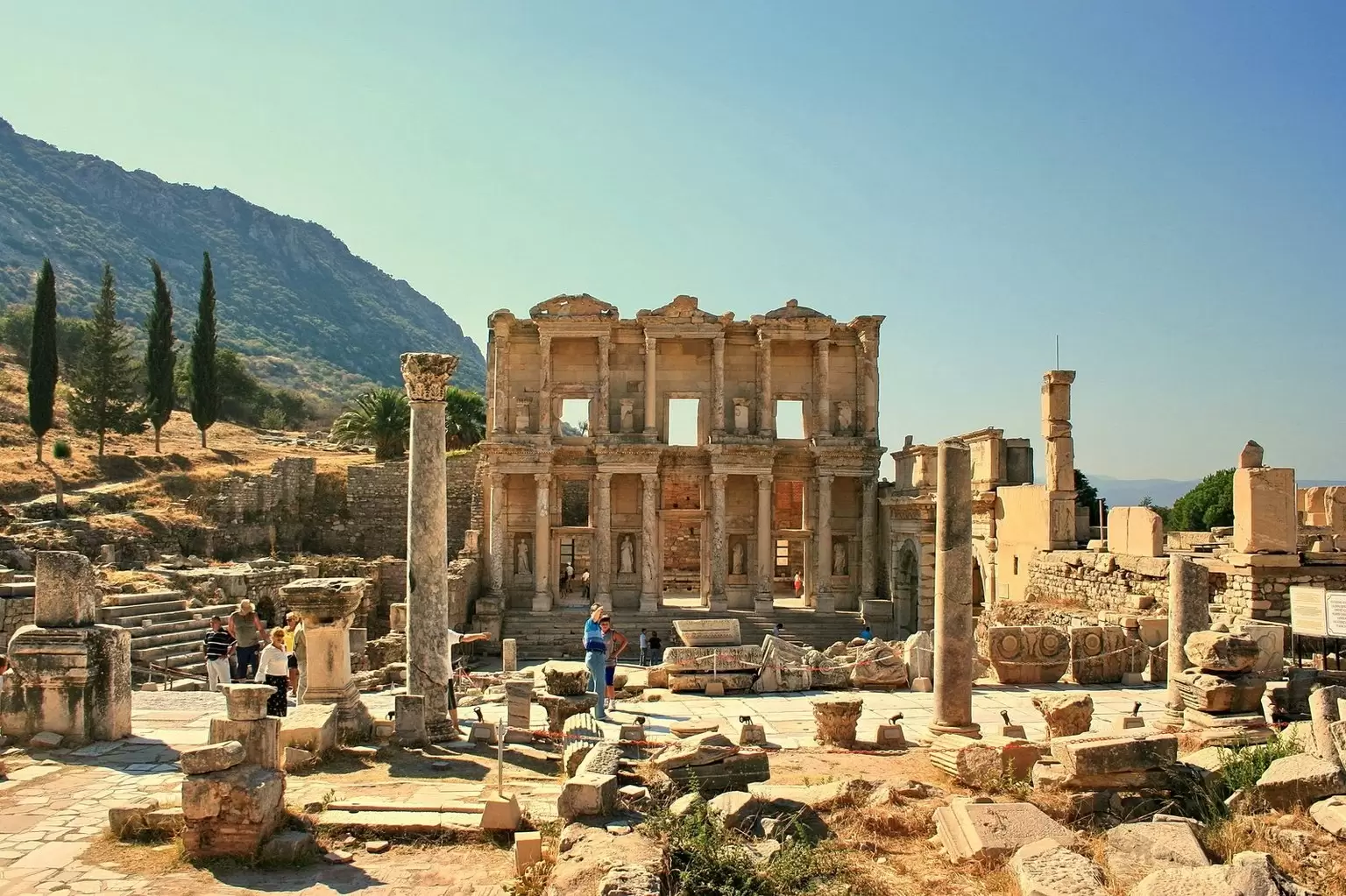
The main Ephesus site (Library of Celsus, Great Theatre, Curetes Street) is the ancient Roman city—a sprawling archaeological park. The Basilica of St. John is a Byzantine church on Ayasuluk Hill, built centuries later. Both are in the Ephesus region but require separate or combined tickets. Plan to visit both if you have a full day: Ephesus in the morning when it is cooler, then the basilica and museum in the afternoon.
Pilgrimage and Religious Significance
For Christians, the Basilica of St. John holds special significance. John is traditionally identified as the author of the Gospel of John and the Book of Revelation. Tradition holds that he cared for Mary, the mother of Jesus, in Ephesus. The site has drawn pilgrims for over a millennium and remains a place of reflection and prayer for many visitors. Even for non-religious visitors, the basilica offers a powerful sense of continuity—from Roman Ephesus through early Christianity to the Byzantine Empire and beyond.
Nearby Attractions: Isa Bey Mosque and Ephesus Museum
Just steps from the basilica stands the Isa Bey Mosque, built in 1375. It is one of the oldest and most beautiful examples of Seljuk Turkish architecture in the region. The mosque was constructed using materials from the basilica and nearby Ephesus, creating a tangible link between Byzantine and Ottoman eras. Many visitors combine the basilica, mosque, and Ephesus Museum in a single afternoon. The museum in Selçuk houses sculptures, inscriptions, and everyday objects from Ephesus—well worth a visit to understand the full story of the ancient city. A combined ticket for basilica, mosque, and museum often offers the best value and saves time at the entrance. Allow at least half a day if you want to see all three sites at a relaxed pace. The basilica and mosque are within walking distance of each other; the museum is a short drive or walk from the centre of Selçuk. Many visitors find that the contrast between the Byzantine basilica, the Seljuk mosque, and the Roman ruins of Ephesus creates a powerful narrative of the region's layered history. From Roman paganism to early Christianity, from Byzantine Orthodoxy to Ottoman Islam, the Ephesus region tells a story that spans millennia. A visit to the basilica, combined with Ephesus and the museum, offers a rare opportunity to trace that story in a single day. Plan your visit in advance and book your tickets online for a seamless experience.
Frequently Asked Questions
Is the Basilica included in the Ephesus ticket?
No. The Basilica of St. John has its own entry fee. A combined Ephesus + Ephesus Museum ticket does not automatically include the basilica—check with your ticket provider for combined options.
How far is the Basilica from Ephesus?
About 3 km. You can walk (30–40 minutes), take a taxi (5–10 minutes), or drive. Many visitors do Ephesus in the morning and the basilica in the afternoon.
Is the Basilica wheelchair accessible?
Access is limited due to uneven terrain and ancient stone paths. Contact the site or your ticket provider for current accessibility information.
Plan Your Visit
Combine the Basilica of St. John with your Ephesus visit for a complete experience. Book your Ephesus tickets online in advance to skip the queues.