Everything first-time visitors need to know about the Library of Celsus in Ephesus: history, architecture, photography tips, and how to get your tickets online.
The Library of Celsus is the crown jewel of Ephesus—a stunning Roman façade that has become one of the most photographed ancient structures in the world. If you are visiting Ephesus for the first time, this landmark will likely be the highlight of your trip. Here is everything you need to know before you go, including how to buy your Ephesus tickets online.
History of the Library of Celsus
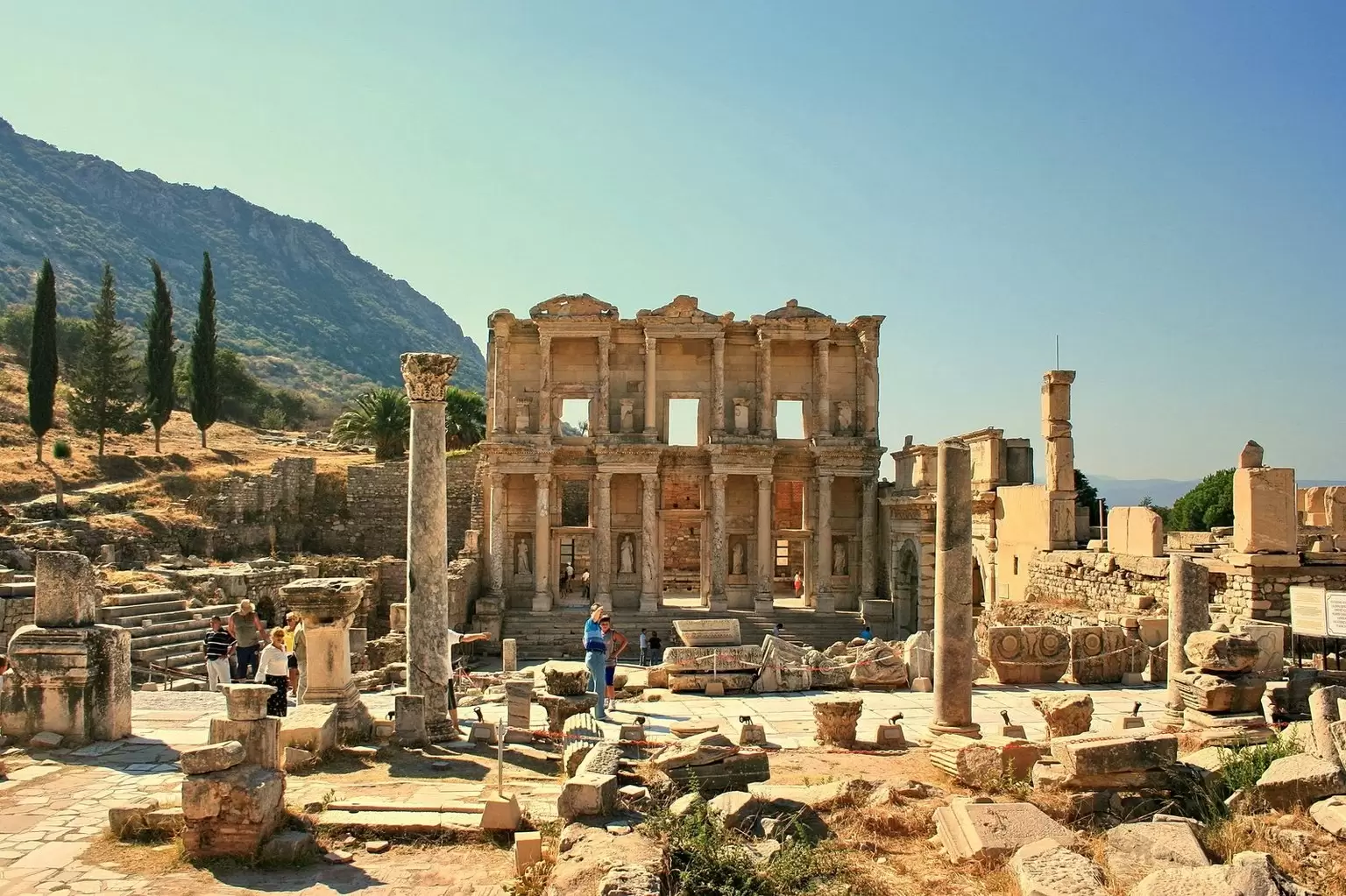
Built between AD 117 and 120, the Library of Celsus was commissioned by Gaius Julius Aquila in honour of his father, Tiberius Julius Celsus Polemaeanus—a Roman senator and former governor of the province of Asia. It served as both a library (housing an estimated 12,000 scrolls) and a monumental tomb for Celsus. In Roman times, combining a library with a tomb was a way to honour the deceased while contributing to the city's intellectual life.
Destruction and Reconstruction
The library was severely damaged by an earthquake in AD 262 and later by fire. For centuries, only fragments remained. The façade you see today was reconstructed in the 1970s using original fragments and careful archaeological research. It stands as a faithful representation of Roman imperial architecture.
Architectural Highlights
- Two-storey façade: Four pairs of columns frame niches that once held statues representing Wisdom (Sophia), Knowledge (Episteme), Intelligence (Ennoia), and Virtue (Arete). These personifications reflected the library's role as a centre of learning.
- Central entrance: The main door leads into what was the reading room. The interior is largely lost, but the exterior impresses. The façade was designed to face east, catching the morning light.
- Location: The library stands at the end of Curetes Street, facing the Gate of Mazaeus and Mithridates. It is impossible to miss.
- Scale: The building was about 21 metres wide and 16 metres deep—modest by Roman standards but richly decorated.
The Four Virtues: Sophia, Episteme, Ennoia, Arete
The four statues in the niches represented the qualities that made a great library: Wisdom (Sophia), Knowledge (Episteme), Intelligence (Ennoia), and Virtue (Arete). These personifications were common in Roman civic architecture and reflected the ideal of educated citizenship. Although the originals are lost, the niches remain and help visitors imagine how the façade looked in antiquity.
The Library in Its Urban Context
The Library of Celsus stood at a crucial point along Curetes Street, the main thoroughfare linking the upper city with the harbour. It faced the Commercial Agora, where merchants traded goods from across the Mediterranean. This placement was deliberate: the library was not isolated but integrated into the daily life of Ephesus. Wealthy citizens passed it on their way to the agora; scholars and students used it for study. The building thus embodied the connection between commerce, culture, and civic identity that defined Roman Ephesus. Visitors today can still sense this—standing before the library, you are at the heart of what was once one of the ancient world's busiest cities.
Best Time to Visit and Photography Tips
Early morning (8:00–10:00): Softer light, fewer crowds, ideal for photography. The façade faces east, so morning light illuminates it beautifully. This is the best window for a crowd-free shot.
Late afternoon: Golden hour also works well. Avoid midday when harsh shadows can flatten the detail.
Tip: The library is often crowded. Arrive early or wait for a brief gap between tour groups for a cleaner shot. A wide-angle lens (24mm or wider) captures the full façade.
Book Ephesus Tickets for Library of Celsus Visit →
How to Get There
The Library of Celsus is inside the main Ephesus archaeological site. Enter from the upper gate (near Selçuk) and walk downhill along Curetes Street—the library is at the lower end. Your standard Ephesus ticket grants full access. No separate ticket is required.
Why the Library Matters
The Library of Celsus was one of the largest libraries in the Roman world, rivaled only by those in Alexandria and Pergamum. It symbolised Ephesus' status as a centre of culture and learning. Today it remains a powerful symbol of the ancient world's intellectual achievements.
Practical Tips for First-Time Visitors
Arrive at the site when it opens (around 8:00) to see the library before tour groups arrive. Bring water and sunscreen—the area around the library has limited shade. The information panels near the façade provide useful context; take a few minutes to read them. If you are visiting with a guide, the library is often a key stop—allow time for their commentary. Combine your library visit with the nearby Commercial Agora and Gate of Mazaeus and Mithridates for a fuller picture of this part of ancient Ephesus. The library's position at the junction of Curetes Street and the Commercial Agora made it a focal point of civic life—today it serves the same role for visitors, drawing everyone toward this magnificent structure.
Frequently Asked Questions
How much time should I spend at the Library of Celsus?
Most visitors spend 15–30 minutes here, taking photos and reading the information panels. The rest of Ephesus (Great Theatre, Terrace Houses, etc.) will take 2–4 hours total.
Can I go inside the Library of Celsus?
The interior is largely lost. Visitors view the façade from the front. Access to the interior space is restricted for conservation.
Is the Library included in the standard Ephesus ticket?
Yes. The Library of Celsus is part of the main site. No add-on is required.
Ready to See the Library of Celsus?
Book your Ephesus tickets online and experience one of the ancient world's most iconic buildings. Skip the queues and make the most of your first visit.